
The online workshop, held on 16 December 2025, was organised by the Slovenian National Building and Civil Engineering Institute (ZAG) and Ekosij Ltd. The purpose of the workshop was to present the EIT RM WEEE-NET9.SPEED project, introduced by Dr Dragica Marinič (ZAG), the project coordinator. The project focuses on establishing a new business ecosystem for e-waste recycling by introducing biomining (bioleaching) technology in Eastern and South-Eastern Europe and strengthening the WEEE value chain in the RIS region.
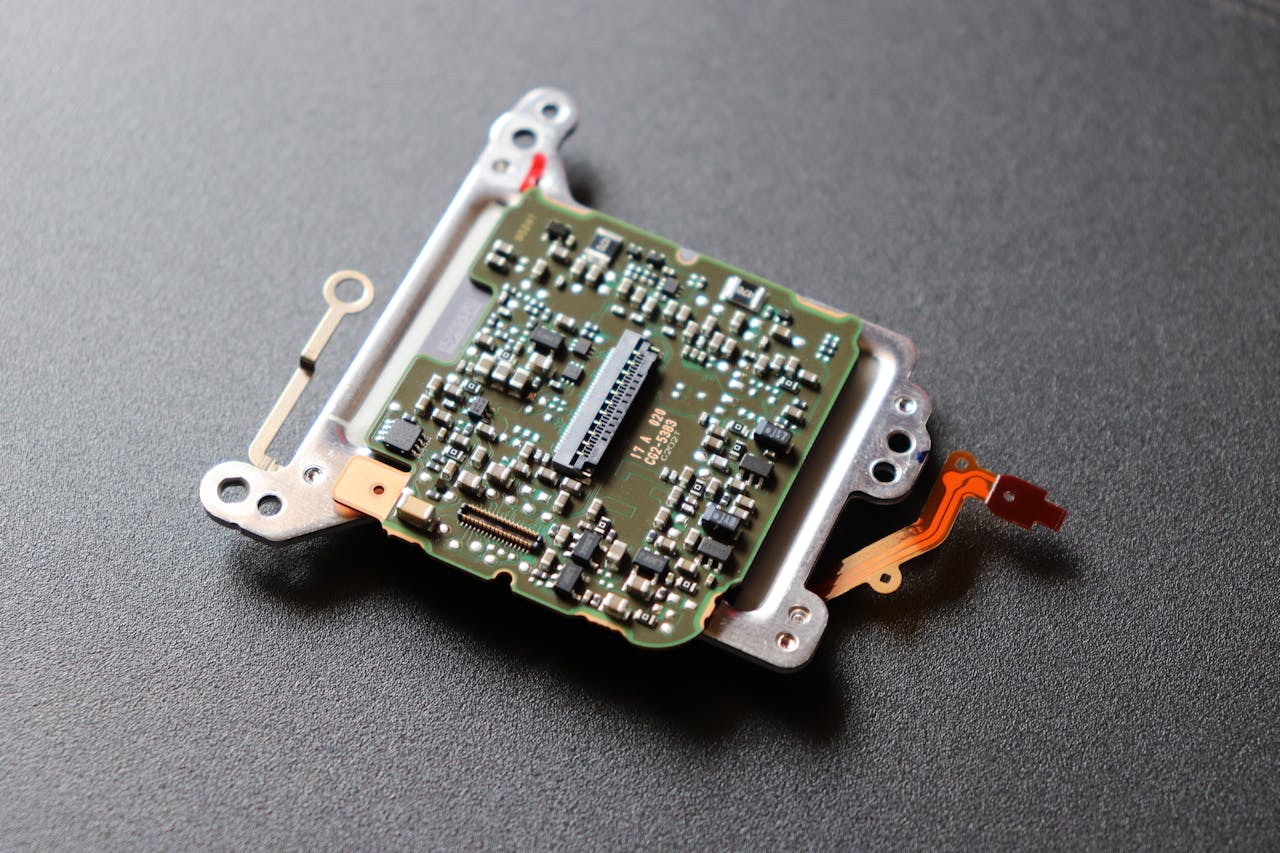
Building on the previous EIT RM WEEE-NET9 project, knowledge transfer enabled the scaling of the technology from laboratory level (TRL 4–5) at ZAG to a semi-industrial level (TRL 7) at Monolithos Ltd in Greece. Miha Štruc, a young researcher and PhD student, presented the results of bioleaching tests conducted at Monolithos in Athens. The research focused on recovering critical raw materials from e-waste (printed circuit boards – PCBs) using microorganisms, primarily copper, nickel, chromium, cobalt, and zinc. Testing and monitoring were carried out in pilot bioreactors with process parameter optimisation. The leaching potential of these metals was demonstrated using the XRF method.
Ms Mateja Mlakar Papič, MSc, a representative of the Ministry of the Economy, Tourism and Sport of the Republic of Slovenia, presented the implementation of the Critical Raw Materials Act and highlighted the importance of strategic projects covering the entire value chain — from extraction and processing to recycling and substitution — both within the EU and beyond. She outlined opportunities for project partnerships, funding, and the benefits of such projects, and emphasised the preparation of national research programmes for critical raw materials, which are expected to be evaluated by the European Commission in May 2026. She also presented national circular programmes that must be adopted by May 2027, focusing on improving the collection, processing, and use of secondary raw materials and ensuring stocks of strategic materials.
Mr Peter Tomše, a representative of the Ministry of the Environment, Climate and Energy of the Republic of Slovenia, highlighted the rapidly growing e-waste stream and the importance of proper management due to environmental and health risks associated with heavy metals, leaching of toxic substances, and greenhouse gas emissions. He emphasised that appropriate management of WEEE contributes to reducing CO₂ emissions and preserving primary resources, as e-waste is an important secondary source of raw materials. He also presented the legislative framework and data on e-waste quantities, noting that Slovenia has a well-functioning separate collection system that still offers room for improvement.
Mr Borut Bernat from Ekosij Ltd. presented the WEEE management system in Slovenia, including the network of collectors, collection infrastructure, and awareness-raising measures (street collection containers, green points, mobile collection), as well as data on the collection and processing of e-waste.